
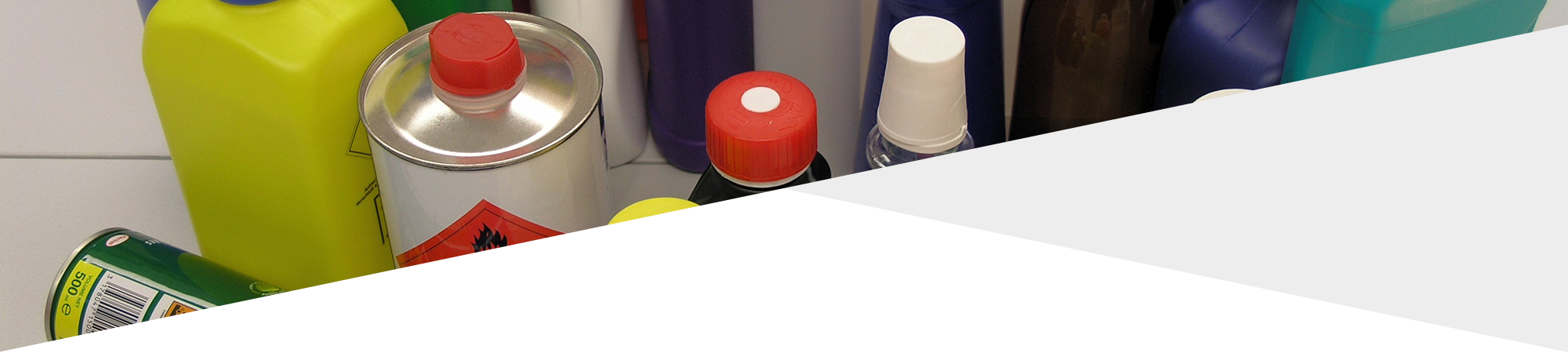
Why Do We Need Child Resistant Packaging?
Every year toddlers and young children are hospitalised or die through the ingestion of pharmaceutical and chemical products and substances. The packaging is the last defence against this and so must be as well designed as possible. Each year over 10,000 European children continue to die from burning, poisoning, choking, strangulation, drowning, falling, driving and crossing the road. Accidental poisoning is the third leading cause of unintentional injury deaths in the European region and is responsible for approximately 3000 deaths per year.
Very often, drugs, cleansing agents, acid, fuel or products for gardening are indispensably needed, but they can seriously damage the health of our children. Even if some of the products used in an average household are not highly toxic, they must be kept out of the reach of children, because if infants get into contact with these substances, they can still have detrimental effect to the child’s health.
Child resistant packaging has been developed in order to prevent that children get into contact with the contents of a bottle etc. that contains poisonous substances. There will never be 100 per cent safety, as adults should still be able to open the packages easily and quickly. However it should be noted that child resistance is not in existence to release a parent or care giver from their responsibility for small children, but as an aid or last defense!
Children are curious by nature and are unaware of the danger of these products and substances. They use their sense of touch and taste to discover the world around them and as such we have a duty to protect them, morally and legally. When a package is designed and then manufactured for these sorts of products it is typically tested in accordance with the child safety legislation in existence.